
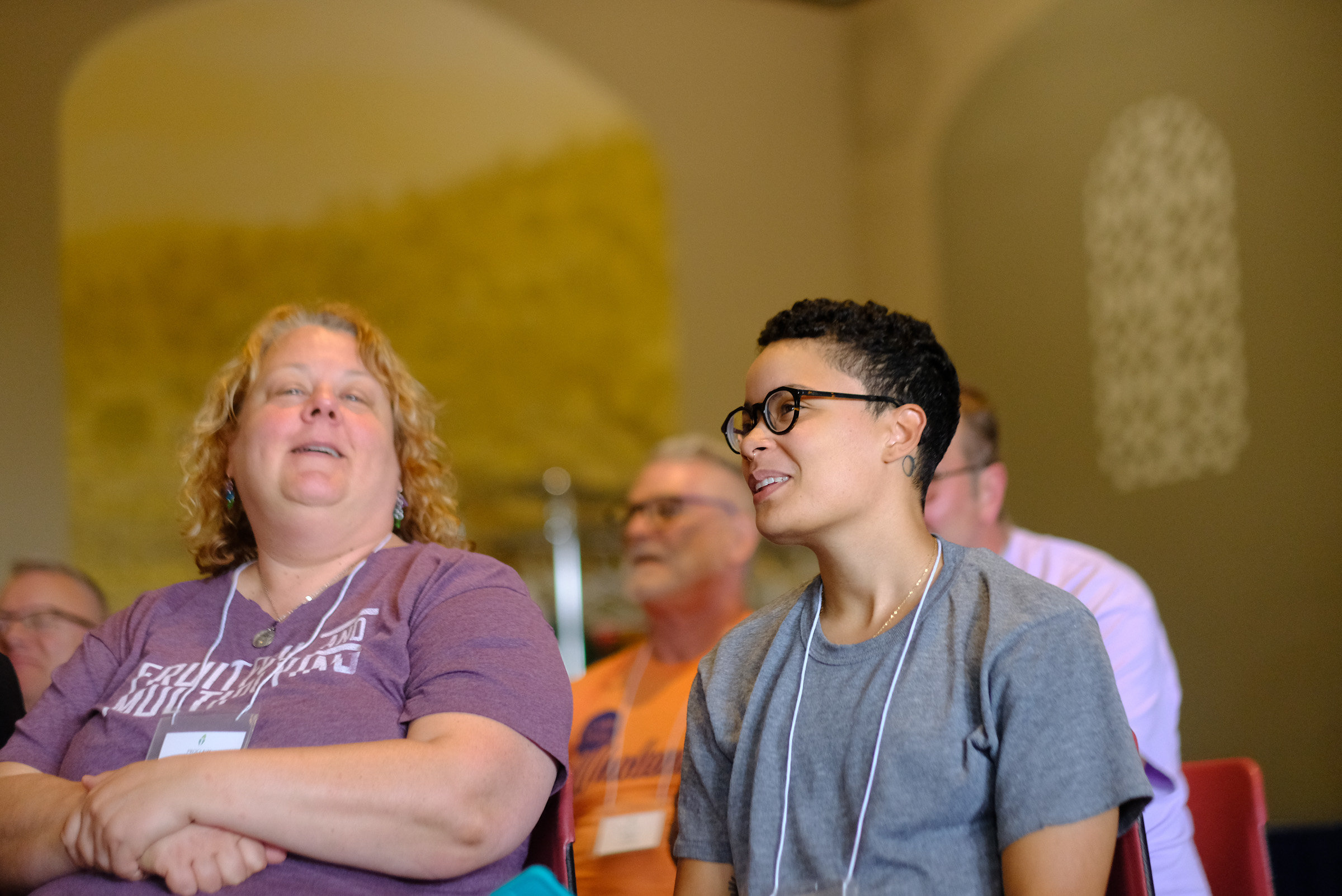
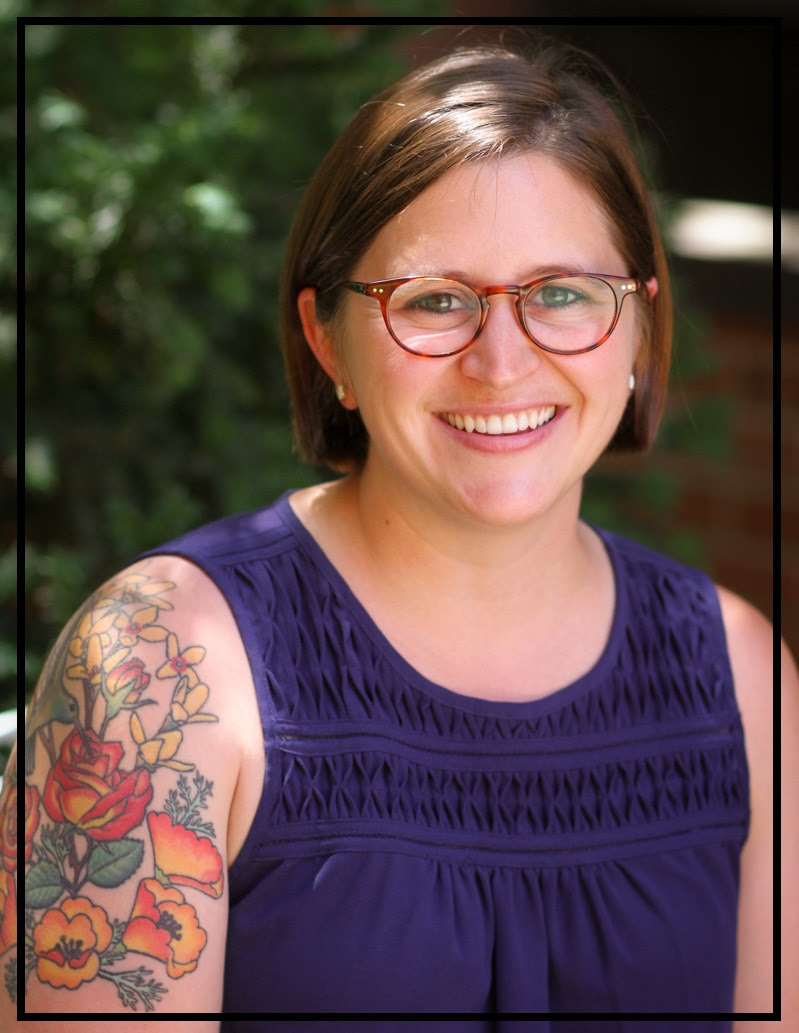
By ELM Program Director Olivia LaFlamme
Resolution; a firm decision to do, or not to do, something.
The first thing we ask people when the new year arrives is “what are your new year resolutions?”
We expect lists of long promised changes and sacrificing of indulgences or vices. We all seem to know that the newness of the year cycle starting over again means that change is in the air in a way that we can harness to make our lives better. We feel emboldened to be, do or say that thing that we haven’t had the capacity for in the years past.
A resolution is a firm decision; it is a stake in the ground and a line in the sand. But how many of us know that what starts off all hopeful and confident on January 1st, so quickly slips through our fingers and is forgotten; tucked away until next year. We all do that, right? And here’s the thing, that loss of steam around that list of firm decisions to do, or not to do, something makes perfect sense because it is missing something crucial. That list of declarations can never be fulfilled without a plan. What if, instead of just resolutions this year, we approach the newness, this heightened possibility of making positive change, with solutions on top.
Solution; a means of solving a problem or dealing with a difficult situation.
Every day we are all coming up with solutions to the most mundane problems.
Problem: I’m hungry.
Solution: Eat.
That’s one way to put it, but it’s a little oversimplified. In order to eat, you had to find out what you had available (at your desk, in your kitchen, in your bag, etc.), then you had to choose something, then you may even have had to prepare the food (you know how many steps that could involve!) before you could actually just “eat”. The solution isn’t “eat”, it’s actually all those steps that lead up to you performing the act of eating. We do this constantly; following a series of actions that we know will lead to our desired result. Somewhere in our minds we just know that is how things work. In order for something to happen, there we will be a bunch of other things that happen to make that a reality; let’s call that a plan.
Here’s the thing, “resolution” and “solution” have the same root word; “solve”. Both are seeking to find the answer to a question. What separates the two is simply the modus operandi. Resolutions are statements of intention (“I won’t”/“I will”). Solutions are the means, the way that you will make something happen; a plan. Setting an intention to leave something in 2018 and take something else into 2019 is purposeful and is productive. But let’s take it one step further and ensure our success just a little bit more this time. Let’s add a plan of action. How are you going to do it? Who do you need to talk to that can hold you accountable? What would it look like if you were able to do this thing? What do you need today to make that possible tomorrow?
Every new year promises change. Let’s encourage each other to get in on that opportunity to heal, grow, and expand our horizons in 2019 with intentions and plans.
Happy New Year everyone!
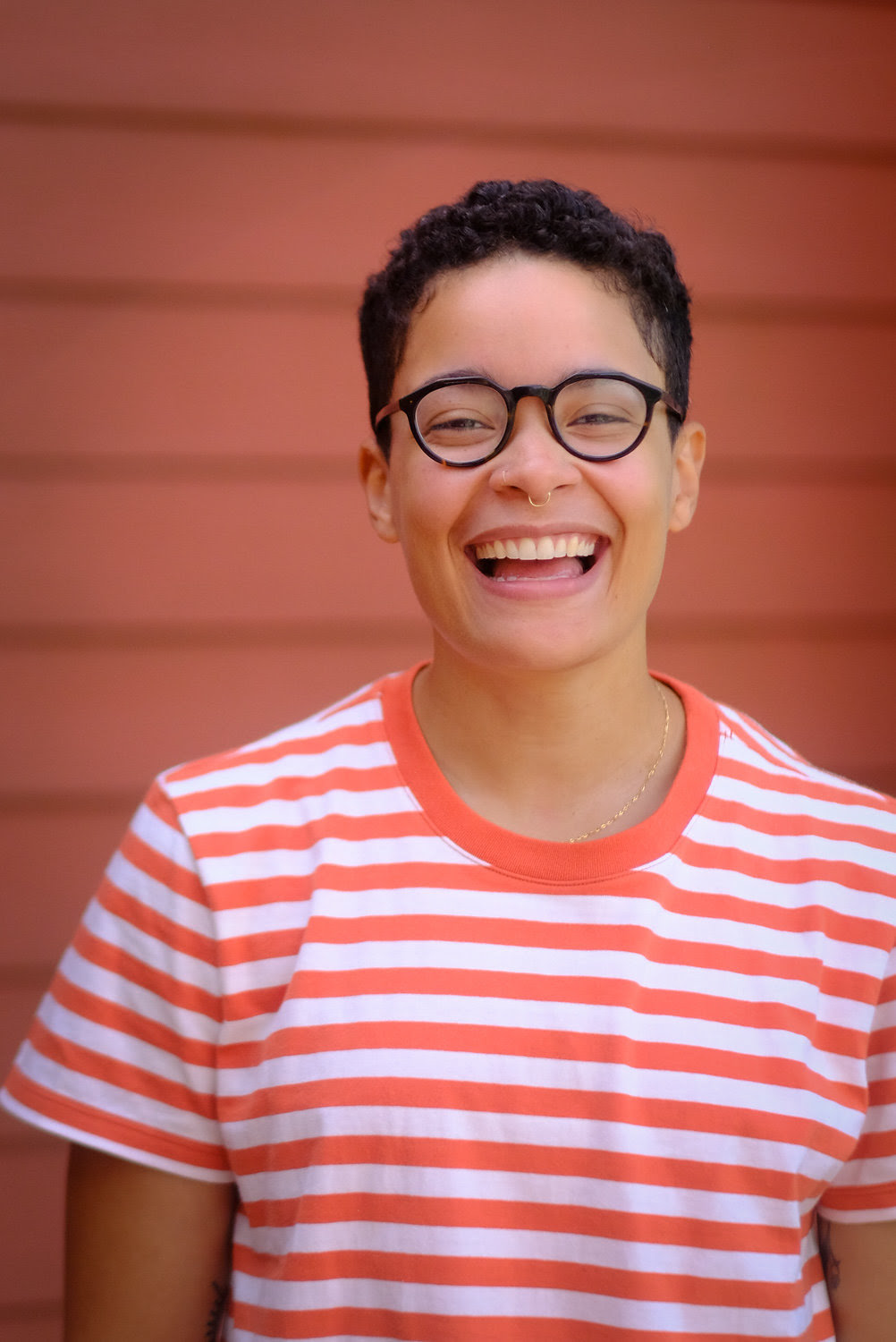
Olivia LaFlamme (they/them/theirs) is the Program Director of Extraordinary Lutheran Ministries. Olivia is a Black queer feminist. They have an M.A. in Women and Gender Studies with an emphasis on queer theory and a B.A. in Comparative Women’s Studies with a concentration in Social Justice. Olivia is a budding filmmaker (focused in documentary) and their thesis project, entitled “Spirits Speak,” is an experimental documentary exploring queer temporality as it is demonstrated through ancestral/lineage projects (spiritual, archival and artistic). They have a background in organizing, administration in the university, and teaching. Raised in the Assemblies of God Christian church, they have since cobbled together several religious traditions that inform their own spiritual identity. Olivia views faith in the Supernatural as crucial to their ability to move through this world that would seek to destroy their gender non-conforming, Black and queer body. They have an amazing and supportive partner, three younger siblings, and loving parents.
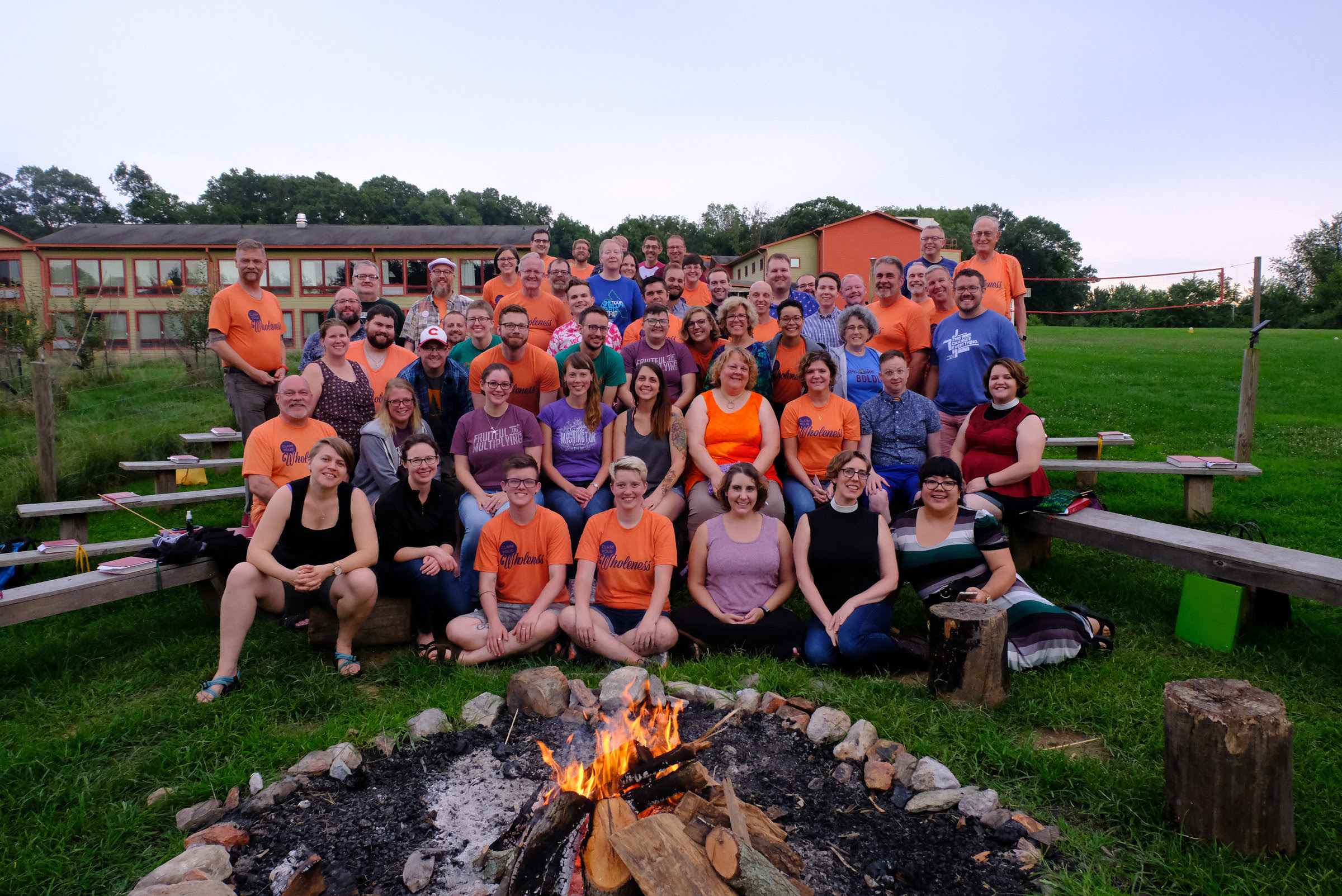
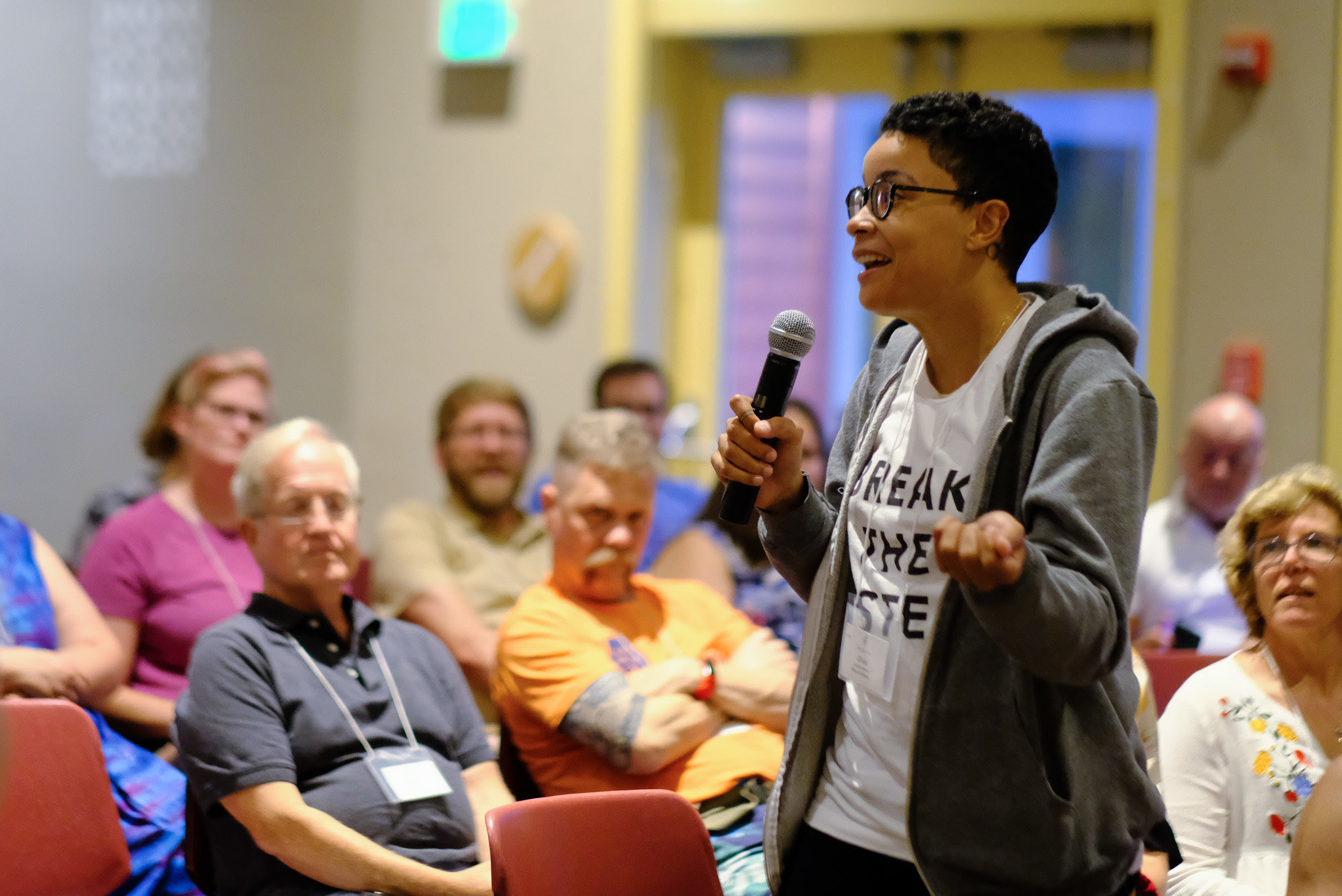
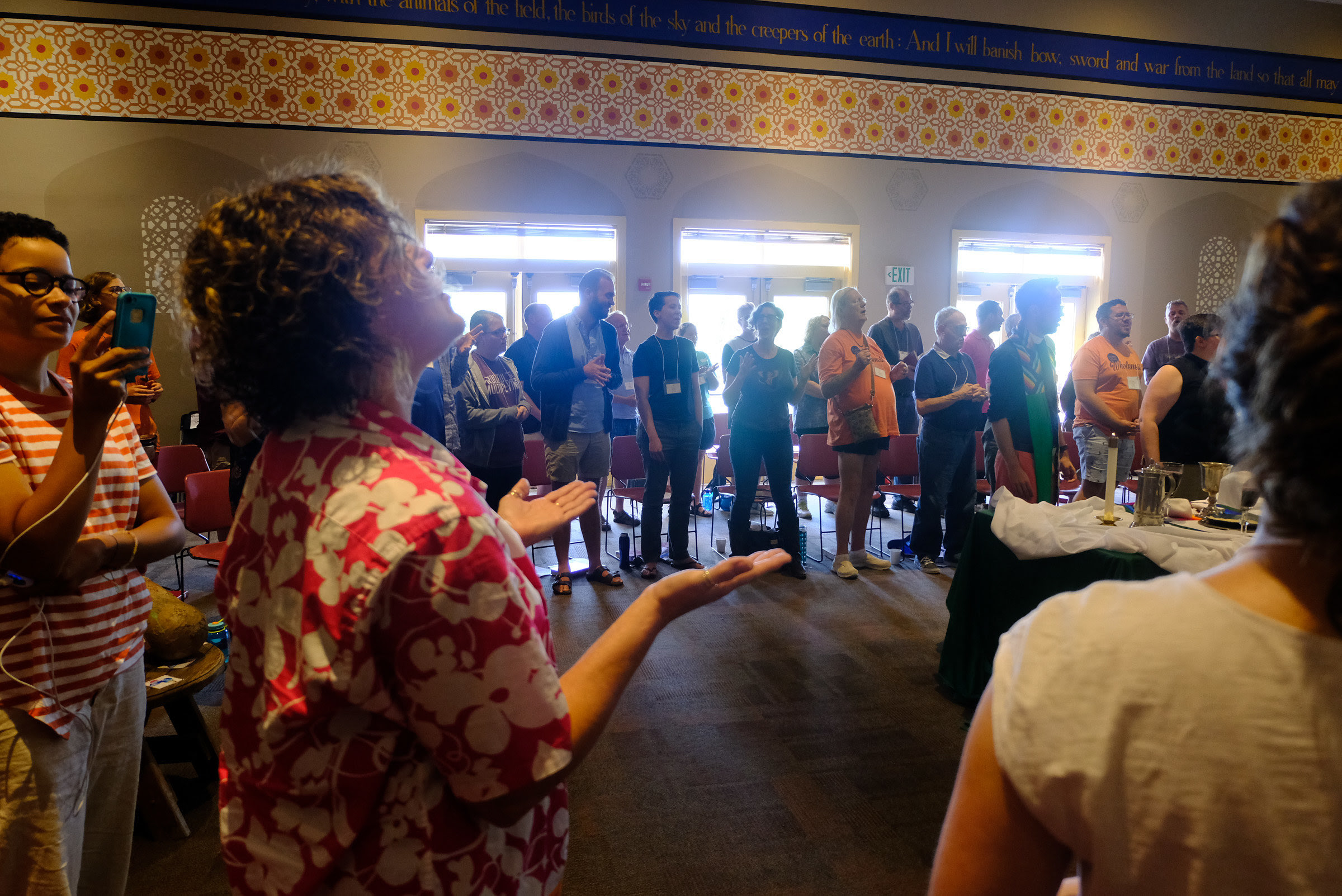



 Working with all of you, we were able to raise friends, raise funds, and raise up in celebration the growth we are experiencing in our Proclaim community and the growing impact LGBTQIA+ leaders are having on our congregations and communities. I give God thanks for such an incredible community and thank you for your participation and action. Here is just a brief snapshot of all of the good work we were able to accomplish together.
 on the challenges they experience in the church, the gratitude they hold for those who accompany them, and their dreams for the future. To see some of the posts, go to Facebook and Twitter and search the hashtag #Proclaim300.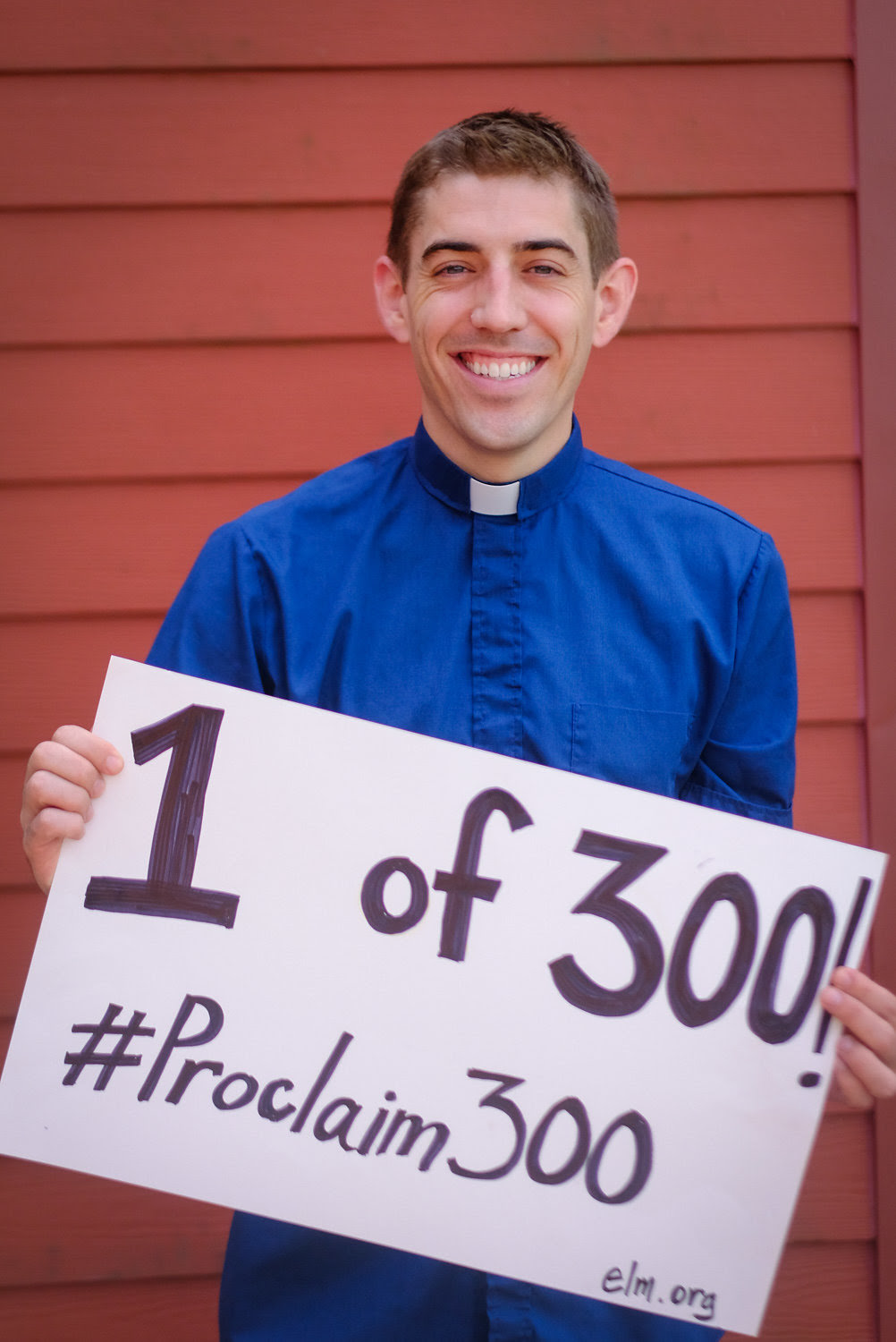

 There are two Proclaimers featured in the film, myself and Kelsey Brown (she/her/hers). If you have never noticed that I’m a part of the Proclaim community, there are two reasons for that. A: I have only recently joined and B: it’s an overwhelmingly white space. White spaces center whiteness and will do that overtly or inadvertently and it doesn’t matter about the intent or the hearts of the people in the community. Unless there is a specific intentional effort to dismantle whiteness in a white space it is dangerous for people of color (PoC). That’s the cunning thing about white supremacy, it doesn’t need you to be actively racist to operate or function; it actually prefers if you aren’t because then it is less likely to be exorcised.
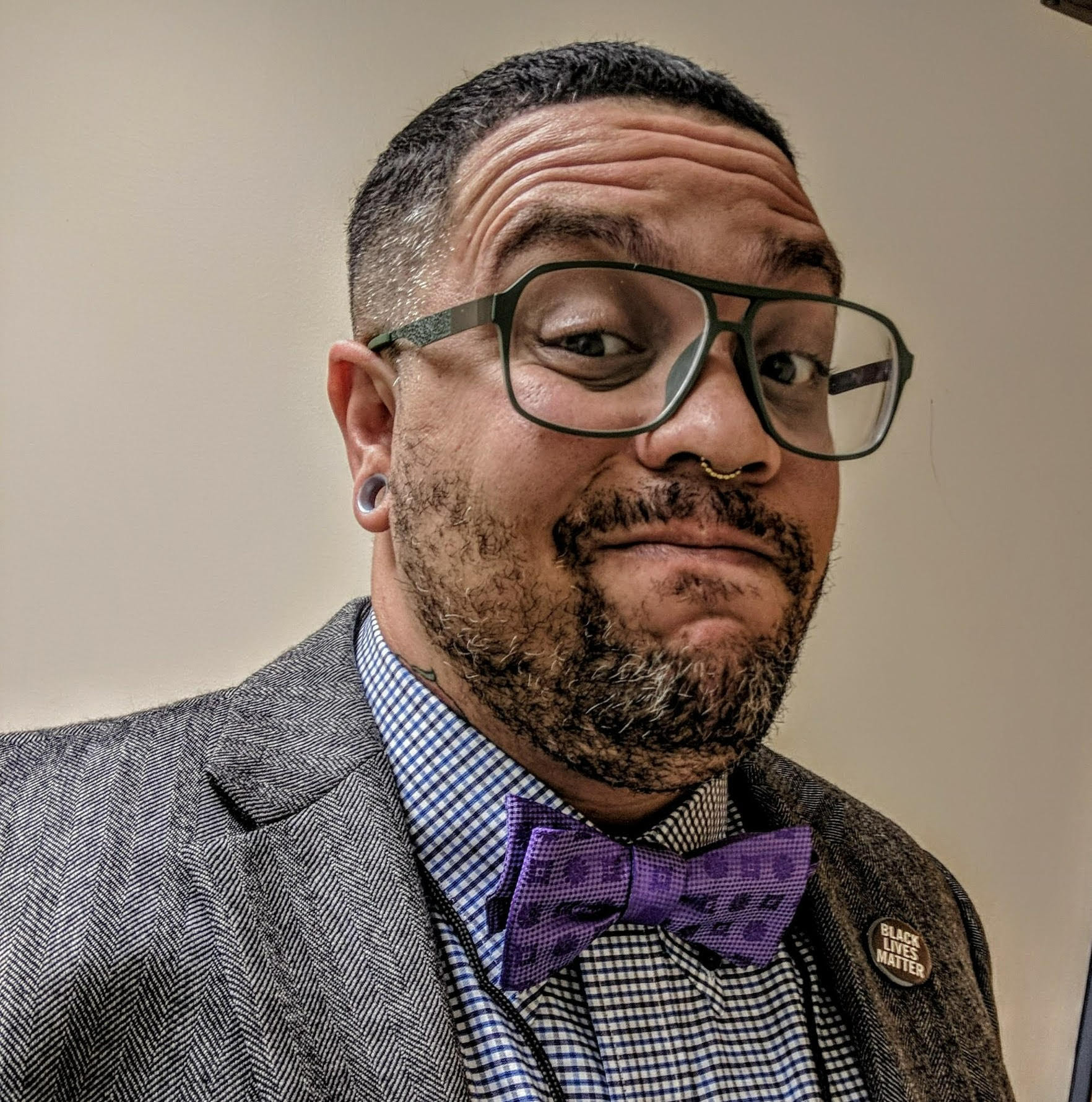 Lenny Duncan (he/him/his) is a follower of Jesus Christ and is in a passionate love affair with Grace. March 2018 he was issued a call to serve the people of Jehu’s Table from the Metro New York Synod of the Evangelical Church in America as a mission developer (church planter.) He is also a frequent voice on the intersection of the Church and the cries of the oppressed. He pays special attention to Black Liberation movements in his work, but lifts up the frequent intersection with other marginalized peoples. He believes that the reason the ELCA has remained so white is a theological problem, not a sociological one. He holds a Master of Divinity from United Lutheran Seminary.
  Monogamy puts a lot of pressure on me. I start to panic once I realize that I might not meet the needs of my potential romantic partner but I’ve never had to worry about that with my boyfriend. I know that he’s capable of meeting his needs with other people, and that he’s not just settling for me. I don’t have the anxiety that I’m not willing and able to do everything that he wants in the bedroom (or living room, or hallway, or backyard, or streets of a major city). For the first time, I’ve been able to grow with my partner into something together. I think what clinched our relationship for us, is that we can just be ourselves around each other. We went from talking about important social justice issues around intersectional identities to a complete and utter giggle fit half an hour later. My boyfriend connects my heart, head, spirit and body in a way no one else has every come close to. This is a freedom I’ve never known before entering into this kind of relationship.
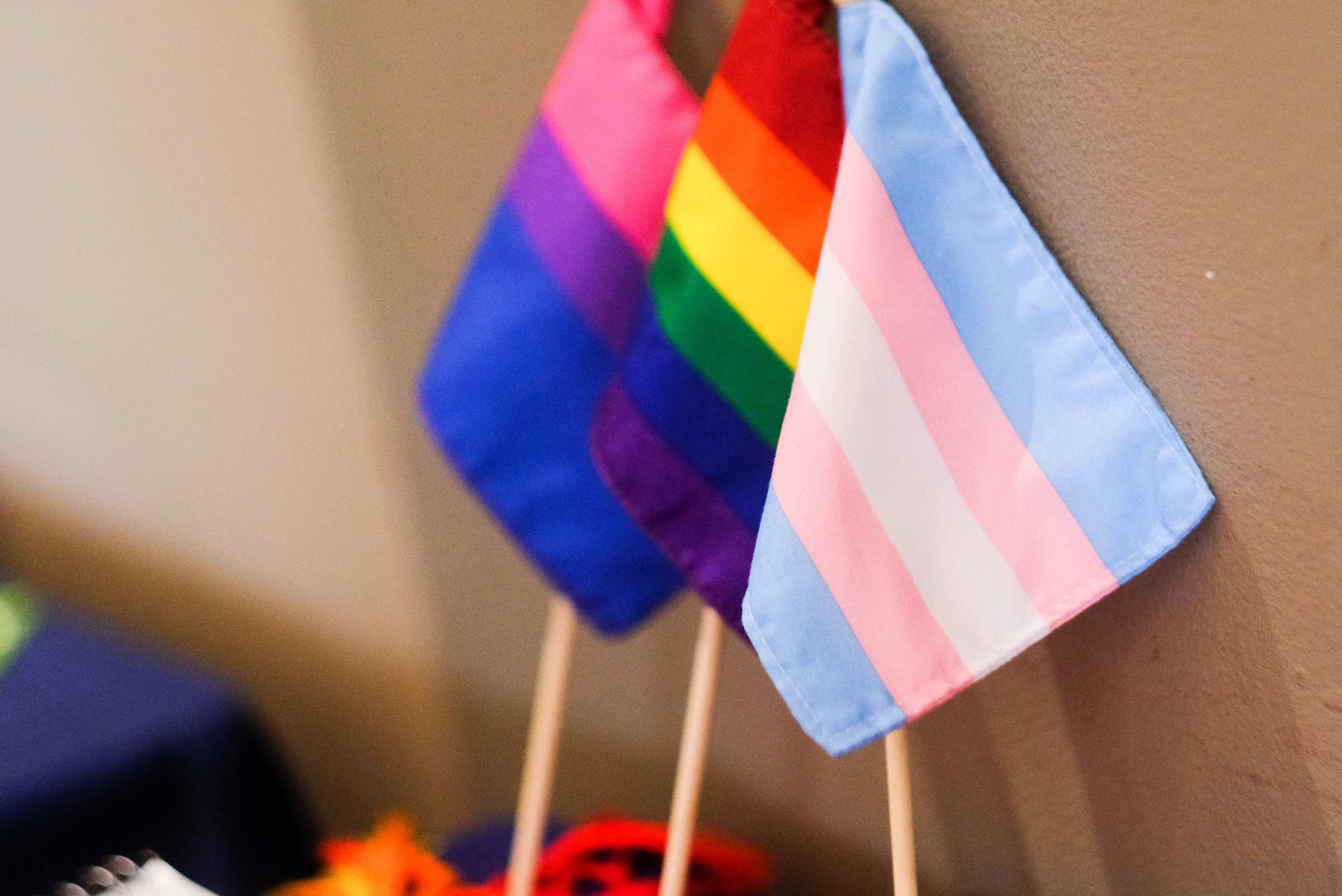 Cisgender Ally/ Accomplice/ Co-Conspirator Statement of Renunciation
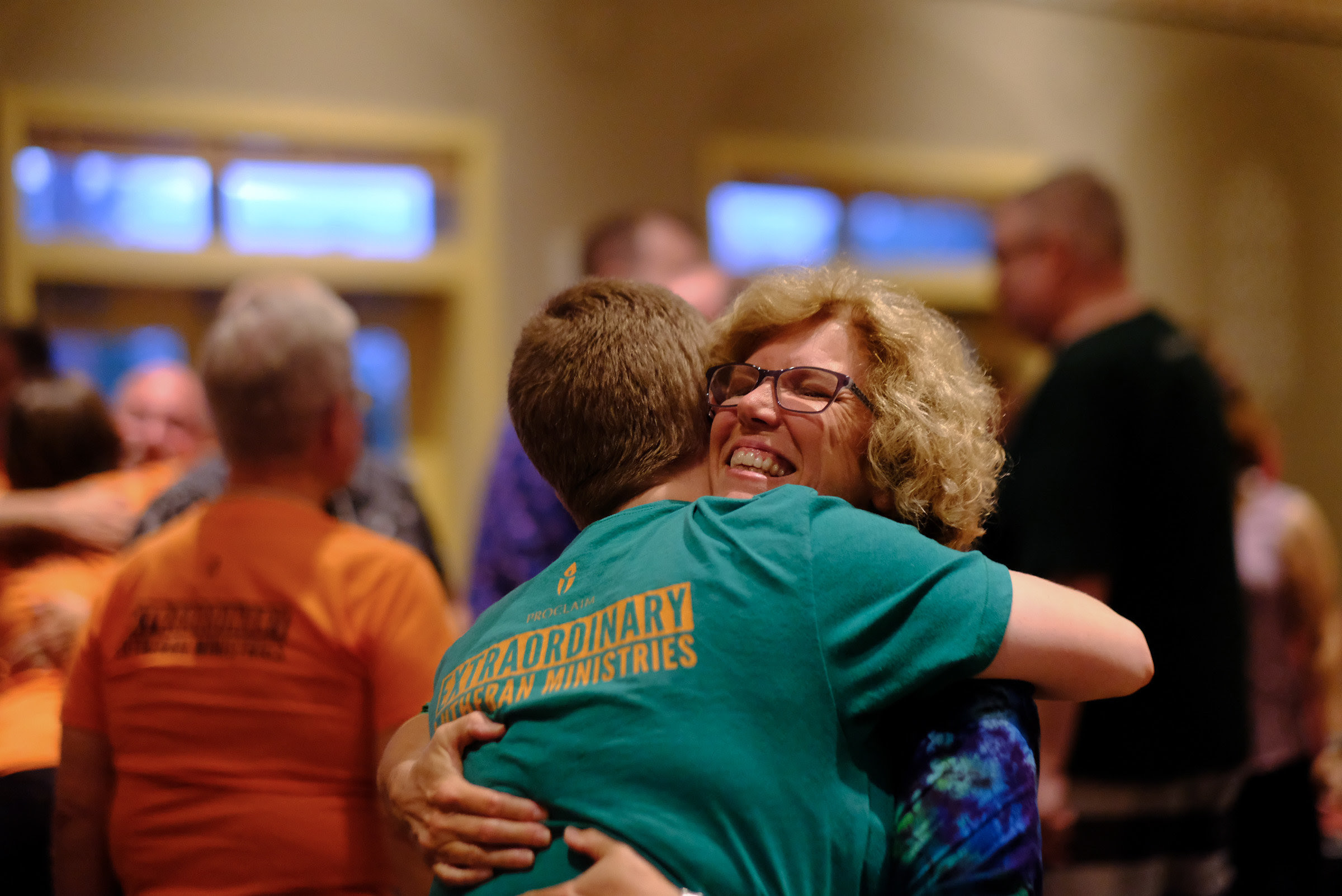 the image of God. This same God that the scriptural witness tells us is a liberating God who has broken the chains of oppressed peoples throughout human history.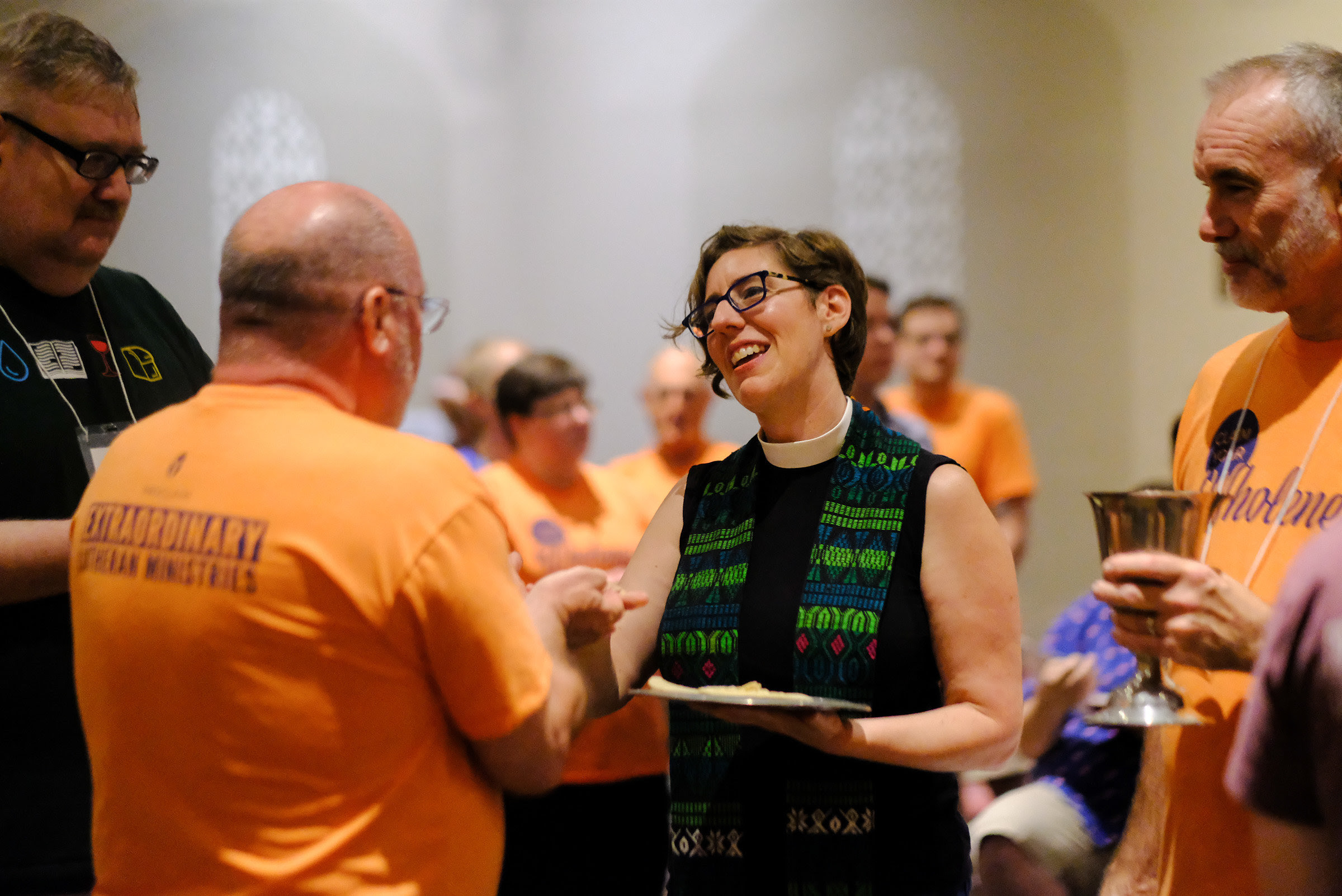
 Board Members who were present included Matt James (Co-Chair), Emily Ann Garcia (Co-Chair), Margaret Moreland (Secretary), Emily Ewing, Jeff Johnson, and Brad Froslee. ELM’s Treasurer, Charlie Horn, was present as well. ELM staff who were present included Amanda Nelson and Olivia LaFlamme. Board members absent from the meeting included Barbara Lundblad and newly joined board member Angela Shannon.


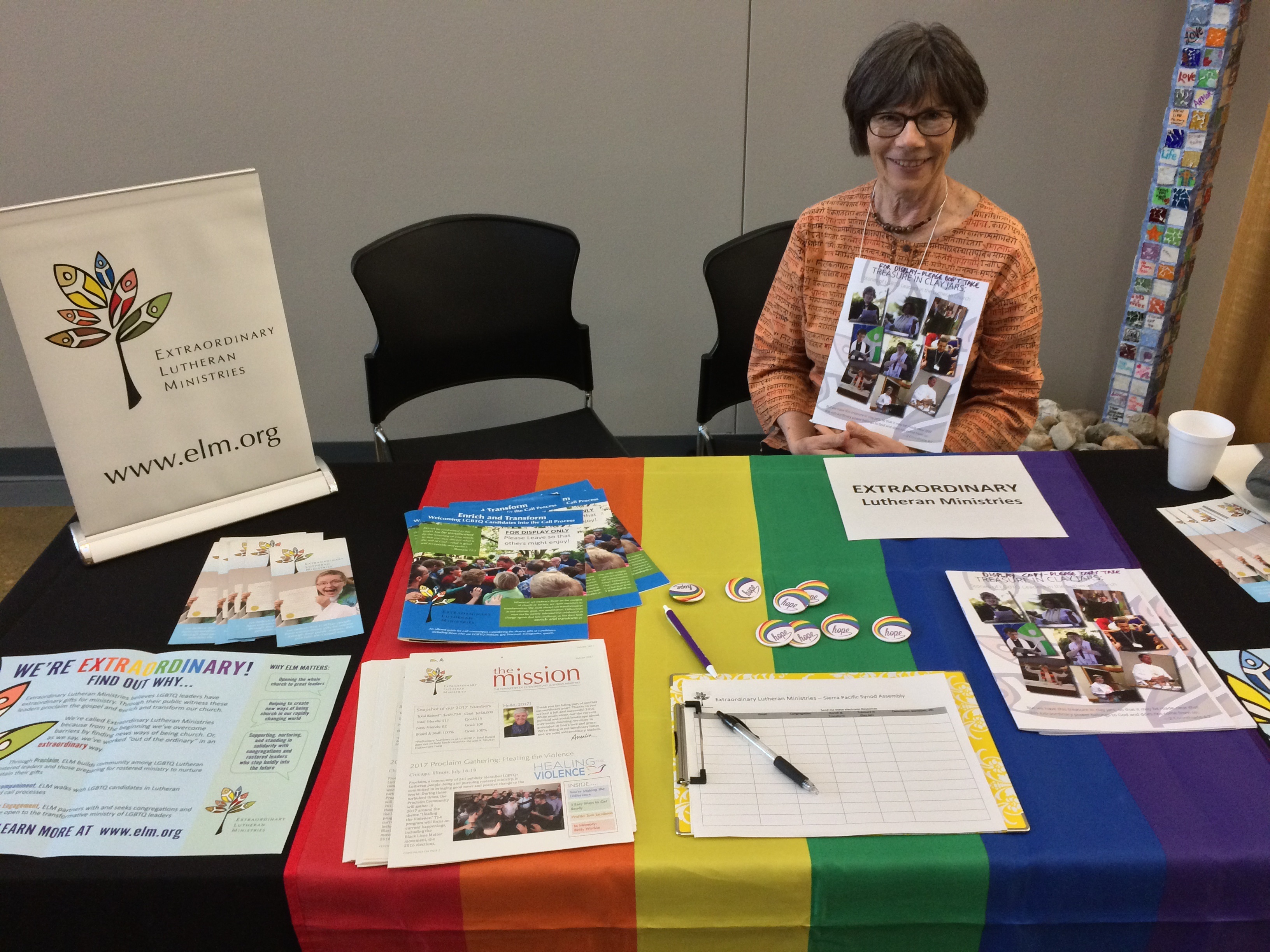
 Erik describes the first nudge this way:

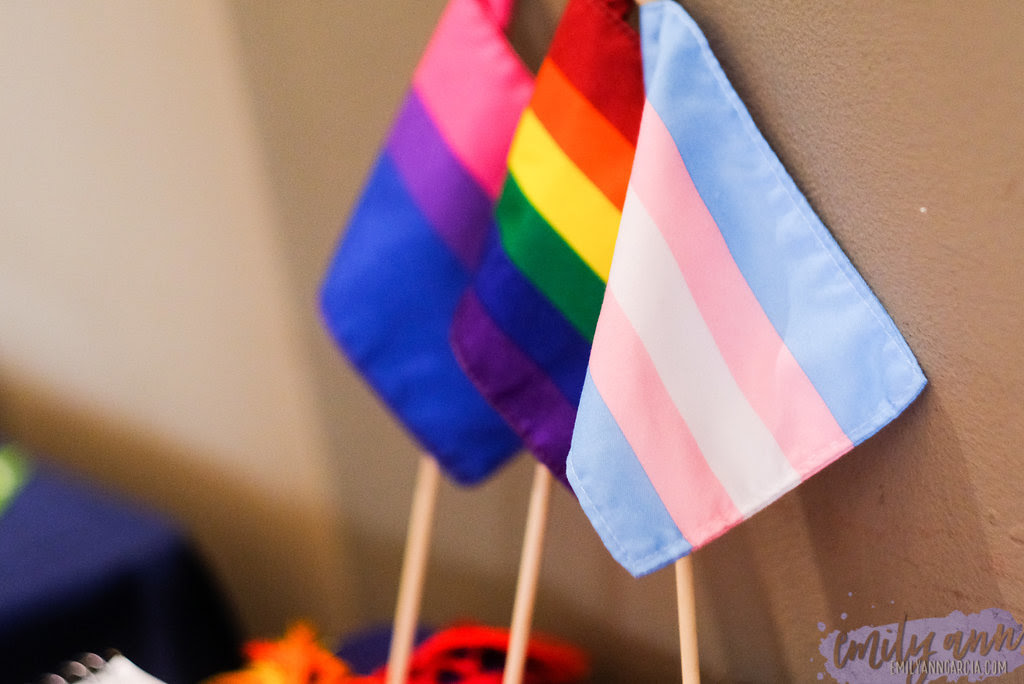
 “In the beginning, God created day and night. But have you ever seen a sunset!?!? Well trans and non-binary people are kind of like that. Gorgeous. Full of a hundred shades of color you can’t see in plain daylight or during the night.
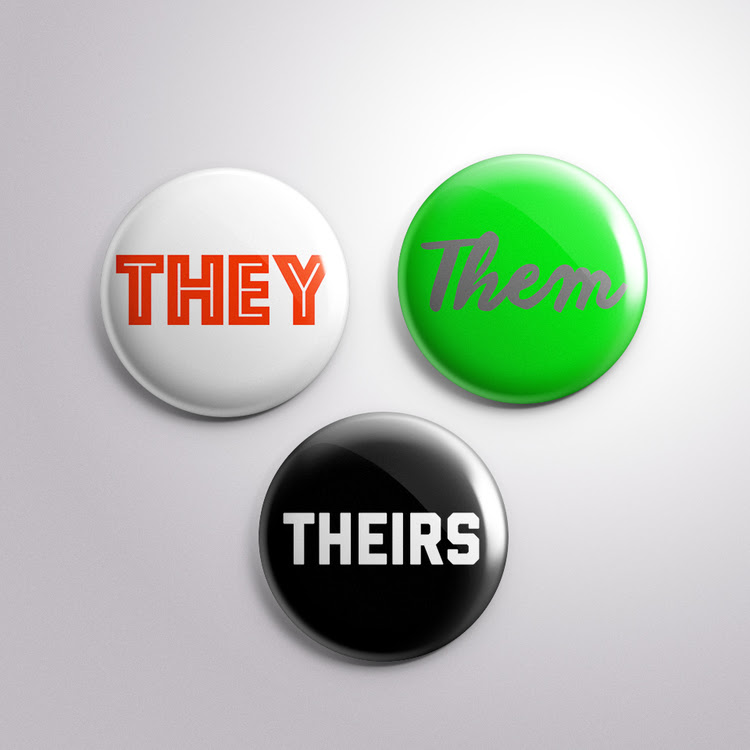 end to coming out and I am sick of being required or expected to come out to everyone in my life. Because part of the way I live into my non-binary identity is by using they/them pronouns, I constantly have to navigate to whom and in which contexts it is safe to be out and then who and where it is safe to correct when someone messes up. Particularly as a pastor, it is difficult to dance between pastoral care, self care, financial sustainability, and the justice at the heart of bringing my whole self to ministry contexts.
 “It’s so hard to not shut down, not turn off, not run away. Because that’s what oppressors want to have happen. “If we get them numb enough, they won’t fight back.” I feel sorry for the oppressors that hate us because there is so, so much fear that’s being felt and not being addressed in healthy ways. And fear is what separates us. Fear is used to control. Fear is the work of the devil.